
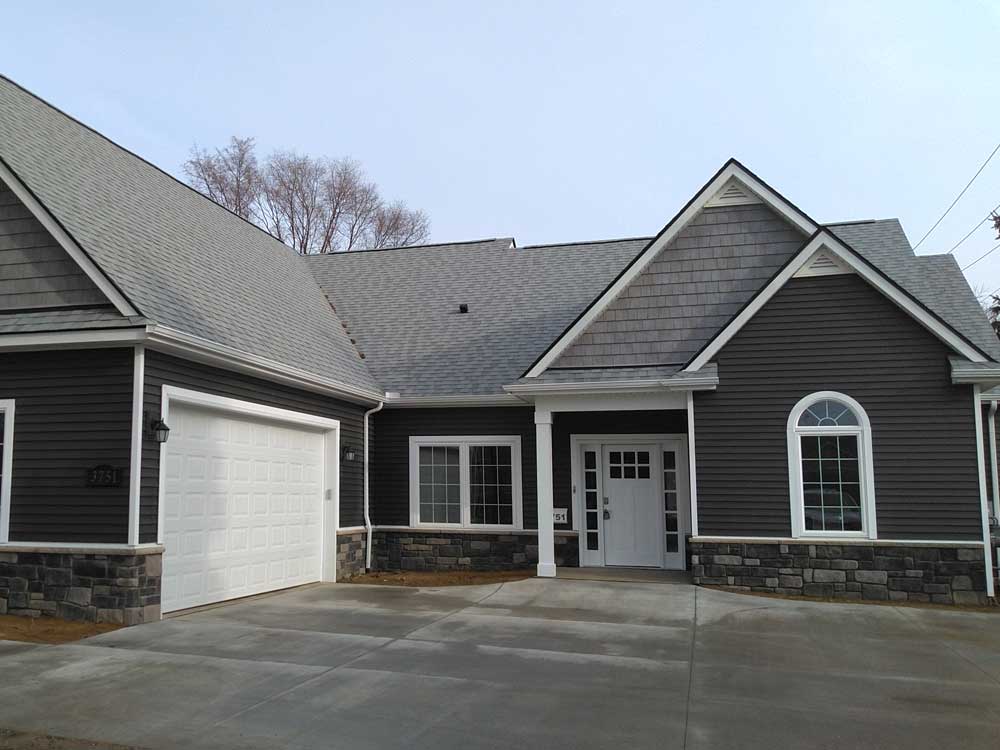
Planning home additions can feel like an exciting yet intimidating project.
Whether accommodating a growing family, creating a home office, or adding a private suite, it’s essential to approach it with a solid plan. Thoughtful preparation can mean the difference between a seamless home upgrade and a project riddled with delays and regrets. In this guide, we’ll outline practical, user-focused steps for designing and building the space you need while protecting your investment.
For a deeper understanding of what’s involved in home addition projects, you can explore our Ultimate Home Addition Guide for Southeast Michigan.
1. Does a Home Addition Solve Your Problem?
Start by Asking the Right Questions
- What problem am I addressing?
- Who will use this space, and how often?
- Is it better to add on or repurpose existing areas?
Consider Alternative Solutions
2. Build Out or Renovate?
Renovating Existing Spaces
- Often quicker to complete.
- Lower construction and permitting costs.
Drawbacks:
- Limits on flexibility: You’re working within existing constraints.
- The space may still feel cramped or disconnected from the rest of the home.
Adding New Space to Your Home
- Adds square footage, increasing resale value when done correctly.
- Fully customizable for purpose and design.
- Higher upfront costs (e.g., construction, materials, labor).
- Longer timeline and potential disruptions during the project.
Get Professional Guidance Early
3. Set Functional and Aesthetic Goals for Your Space
How Will the Space Be Used?
- A home office might need quiet zones, built-in shelving, and abundant natural light.
- An entertainment room could prioritize open floor plans, durable flooring, and space for equipment.
- An in-law suite will require privacy, including independent entrances, bathrooms, and even a small kitchen.
Design to Blend, Not Stand Out
- Matching brick, siding, or roof textures.
- Installing windows similar in style, size, and placement to existing designs.
- Considering how proportions impact curb appeal, scale always matters.
4. Address Budget Issues Early
Break the Budget into Categories
- Construction Labor: Typically 60-70% of your budget.
- Design and Planning Fees: Hiring an architect or designer accounts for roughly 10-15% of the total cost.
- Permits and Inspection Fees: Expect local permits to consume 5-10% of costs, depending on the scope of the project.
- Contingency Funds: Set aside at least 15% to cover unexpected overages like weather delays or material price changes.
Don’t Overlook These Hidden Costs
- Upgrading HVAC systems to support the new space.
- Landscaping and restoring your yard due to excavation damage.
- Storage costs for moving furniture and belongings temporarily.
Keep Your Financing Options Open
To prevent setbacks, obtain multiple detailed estimates and ask contractors to explain their pricing in detail. The clearer the figures and line items are, the easier it becomes to spot cost-saving opportunities.
5. Ensuring Proper Permits and Approvals
Why Permits Are Essential
- Fines and penalties: Building without a permit can result in hefty fees.
- Delays in construction: Failing inspections will bring your project to a halt.
- Resale issues: Unpermitted additions can create roadblocks during a future home sale.
Getting Permits Without the Hassle
- Start by visiting your local building department for a pre-application consultation. They’ll provide clarity on requirements and potential costs.
- Ensure your architectural plans align with zoning regulations before filing permits.
- Choose contractors experienced in your area; they often have established relationships with local building officials and know how to expedite approvals.
6. Designing the Perfect Addition
Collaborate with Professionals
- Need extra space for aging family members? They’ll incorporate ADA-compliant features, like wider hallways and easy-access layouts.
- Adding a recreational room? They might suggest adding soundproofing to ensure the main living areas aren’t disrupted.
7. Get Ready for Construction and Set Realistic Expectations
Stay Grounded About the Build Timeline Most sources gloss over the reality that a home addition almost always takes longer than a standard renovation. Delays can happen for reasons outside anyone’s control, such as permitting wait times, unexpected weather events, backordered materials, or a hidden structural issue uncovered during the build.
It’s wise to build flexibility into your schedule. If a project is estimated at 12 weeks, prepare for it to run a little longer. Trusted builders are up front about these risks; clarity and transparency now means fewer surprises later.
Handle the Disruption to Daily Life
Noise, dust, and ongoing work can strain daily routines. Here’s how smart homeowners prepare:
- Set up clear zones: Keep the construction contained, using tarps and barriers to protect the rest of your home from debris and foot traffic.
- Prepare for noise: Weekdays will often be louder than usual. Some days may start as early as 7am, depending on local construction bylaws.
- Protect belongings: Pack up and store valuables or fragile items near the work area to avoid accidental damage.
- Plan ahead for utilities: Some work may require water, heat, or electricity to be switched off temporarily. Coordinate closely with the builder to limit inconvenience.
Take an Active Role During Construction
A few practical tips:
- Approve critical material selections quickly to keep work timelines moving.
- Document all changes or concerns in writing—email is fine—so there’s a clear, reliable record.
- Hold weekly meetings—either on site or virtually—to review progress and address questions.
8. Finishing Strong and Maximizing Long-Term Value
Walk Through Before Signing Off
- Check all finishes closely; paint lines, trims, tile work, and fixtures should all reflect high standards.
- Test systems: Confirm the heating, cooling, lighting, and plumbing operate smoothly in the new areas.
- Open and close doors, windows, and built-ins. Watch for gaps, sticking, or poor alignment.
- Make note of anything that doesn’t feel right or look complete, from small paint flaws to hardware adjustments.
Simple Maintenance Tips for Lasting Quality
- Inspect exterior siding, flashing, and caulking every season to spot gaps or wear before water damage sets in.
- Clear gutters and downspouts near the addition regularly, especially after a big storm.
- Test HVAC, plumbing, and electrical systems periodically—catching a problem early is far cheaper than repairing major damage later.
- If you installed energy-efficient features or specialty finishes, follow the manufacturer’s care instructions. Simple steps protect finish warranties and keep everything looking new.
CONCLUSION
Document all maintenance and repairs in a simple notebook or digital file. This small effort can boost resale value down the line and help you keep track of recurring needs.
Planning successful home additions shouldn’t feel overwhelming or uncertain. With careful upfront decisions, a balanced investment in both function and design, and a clear understanding of regulatory needs, you’re positioned to move forward without the common regrets others experience. Every well-planned project should address a genuine need, respect the character of your home, and provide long-term value.
At Essex Custom Homes, we’re more than just builders; we’re your Michigan neighbors, fully invested in delivering homes that reflect how you live and what you value most. Our commitment to clear communication, expert craftsmanship, and honest pricing ensures a stress-free experience. Every step is explained, every budget is transparent, and your vision remains at the center of the process. We know the region, we know the rules, and we pride ourselves on relationships built to last, long after the dust has settled.
If you’re ready to transform how your home works for you, let’s talk about the practical, proven steps that move your ideas off paper and into reality. Book your FREE consultation with Essex Custom Homes today and get your addition planned right the first time, so it actually works, for years to come.


