
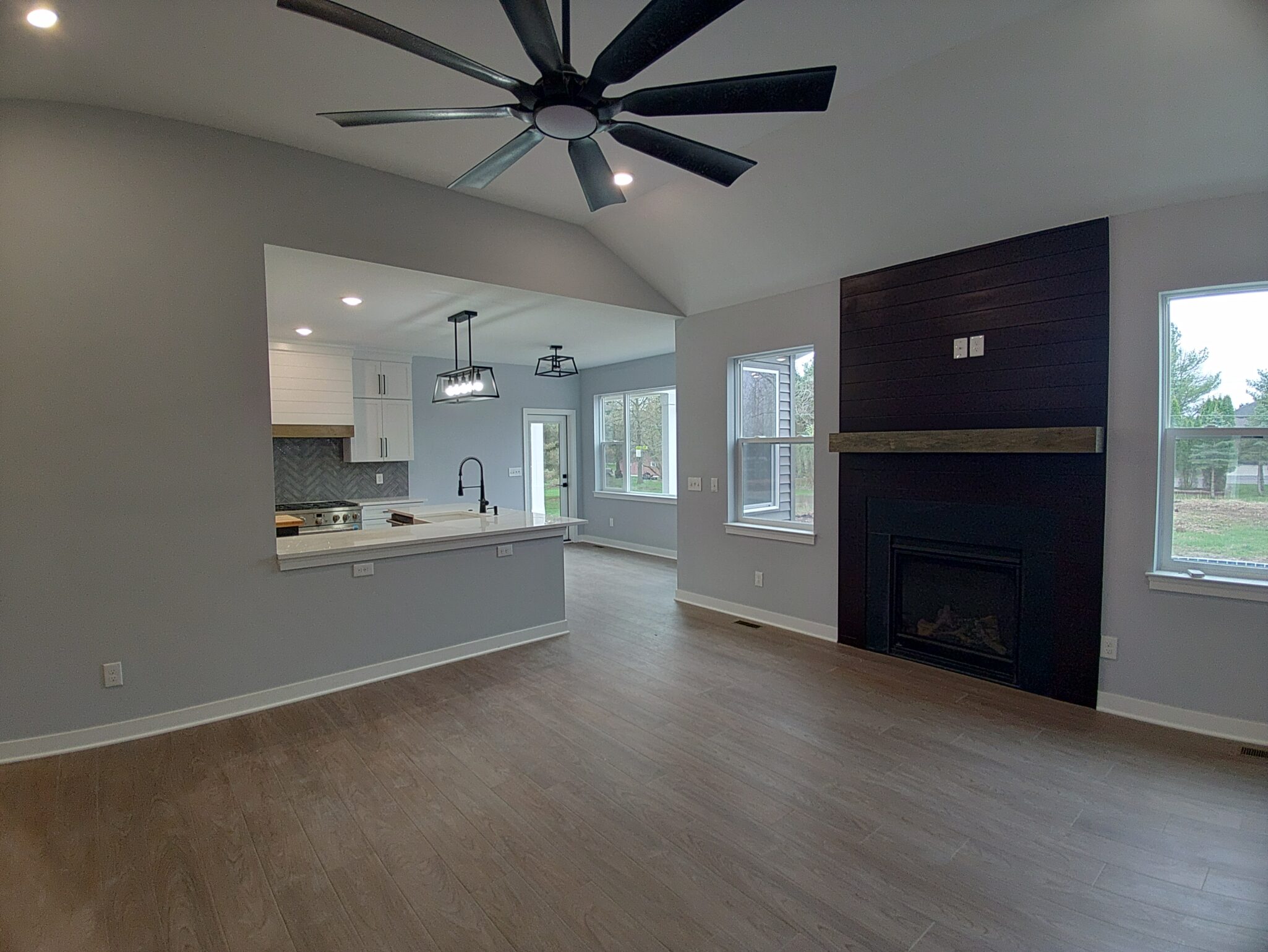
Building a home addition is one of the biggest investments you’ll make in your property, and choosing a home addition builder can determine whether your project becomes a dream come true or a costly nightmare. In Michigan’s competitive construction market, homeowners face numerous options, ranging from large regional firms to local specialists. The decision you make about which contractor to hire will impact your budget, timeline, family comfort, and long-term satisfaction with your new space.
This comprehensive guide walks you through everything you need to know about selecting the right contractor for your Michigan home addition project. Whether you’re adding a master suite, expanding your kitchen, or creating that home office you’ve always wanted, the principles and strategies outlined here will help you make an informed decision that protects your investment and delivers the results you expect.
For homeowners just beginning to explore their options, you might find it helpful to start with our comprehensive guide, which covers the broader planning and design considerations for your project.
Why Most Homeowners Struggle When Choosing A Contractor
The Michigan construction market presents unique challenges that make contractor selection particularly difficult. With hundreds of licensed contractors operating across Southeast Michigan alone, homeowners often feel overwhelmed by the sheer number of options available. This abundance of choice, rather than simplifying the decision, actually makes it more complex.
Many homeowners fall into the trap of believing that all contractors are essentially the same. They assume that anyone with a license and insurance can handle their home addition project equally well. This misconception leads to decisions that are primarily based on price rather than value, experience, or track record.
The “lowest bid wins” mentality is perhaps the most dangerous assumption homeowners make. While budget considerations are undoubtedly important, choosing a contractor based solely on the lowest estimate often results in significantly higher costs over time. Low-ball estimates often omit crucial details, utilise inferior materials, or overlook potential complications that experienced contractors would typically anticipate.
When you hire the wrong contractor, the real costs extend far beyond the financial implications. Timeline delays are common, often stretching projects that should take 3-4 months into 6-month ordeals or longer. Quality issues often emerge during construction or shortly after completion, necessitating costly repairs or the complete reconstruction of substandard work. Poor communication creates stress and frustration throughout the process, turning what should be an exciting project into a source of family tension.
Budget overruns represent another significant risk. Inexperienced or unscrupulous contractors may present artificially low initial estimates, then hit you with “unexpected” costs and change orders throughout the project. These surprise expenses can easily add 20-30% or more to your final bill, far exceeding what you would have paid for a qualified contractor upfront.
What You Should Look for in a Home Addition Builder
Licensing and Insurance Requirements in Michigan
Michigan requires all contractors performing work valued at more than $600 to hold a valid state license. For home additions, you’ll want to verify that your contractor holds the appropriate classification for residential construction. The Michigan Department of Licensing and Regulatory Affairs (LARA) maintains an online database where you can verify license status, check for violations, and review any disciplinary actions.
General liability insurance protects you if someone is injured on your property during construction or if your property is damaged during the work. Workers’ compensation insurance covers injuries to the contractor’s employees while working on your project. Without these protections, you could be held financially responsible for accidents or injuries that occur on your property.
Never take a contractor’s word that they carry proper insurance. Request certificates of insurance directly from their insurance company, and verify that coverage will remain in effect throughout your project timeline.
Experience Specifically With Home Additions
Not all contractors are created equal when it comes to home additions. General maintenance contractors who typically handle smaller repairs may lack the structural engineering knowledge required for major additions. Similarly, new construction specialists might not have experience working within the constraints of existing homes.
Home additions require specific expertise in several areas: understanding how new construction integrates with existing structures, managing utilities that need to be extended or relocated, and working within the tighter spaces and access limitations that existing homes present.
When evaluating contractors, ask specific questions about their addition experience:
- How many home additions have they completed in the past two years?
- Can they show you examples of additions similar in scope and style to your project?
- Do they have experience with your home's architectural style and construction methods?
- How do they handle challenges like matching existing rooflines, foundation work, or integrating new HVAC systems?
Local Reputation and References
Working with a contractor in Southeast Michigan offers significant advantages. Local contractors are familiar with regional building codes, typical permit processing times, and have established relationships with local inspectors. They’re familiar with Michigan’s climate considerations, from proper insulation for harsh winters to moisture management during humid summers.
Local contractors also have reputations to maintain within the community. They’re more likely to stand behind their work because their future business depends on satisfied local customers and word-of-mouth referrals.
When researching contractor reputation, look beyond online reviews. While Google and Yelp reviews provide some insight, they don’t tell the complete story. Ask contractors for references from recent clients and actually call these references. Ask specific questions about communication, timeliness, cleanliness, and whether they would hire the contractor again.
Drive by recently completed projects if possible. Many homeowners are happy to show off their additions and share their experiences. This firsthand feedback often provides more valuable insights than online reviews.
Red Flags to Avoid When Choosing Your Contractor
Certain warning signs should immediately eliminate a contractor from consideration.
Door-to-door solicitation tops this list. Reputable contractors with strong reputations don’t need to knock on doors looking for work. They typically have enough referral business to keep them busy.
Any contractor who demands full payment upfront should be avoided. Legitimate contractors typically request a small deposit to order materials, with the bulk of payment due upon completion. Michigan law actually limits how much contractors can request upfront for projects over $200.
No local address or office presents another red flag. Contractors who operate out of post office boxes or provide only cell phone numbers may be difficult to reach if problems arise after project completion. You want to work with someone who has a local presence and can be reached easily.
Pressure tactics and “limited time” offers are classic signs of contractors you should avoid. Legitimate contractors understand that home additions are major decisions requiring careful consideration. They don’t pressure you to sign contracts immediately or create artificial urgency around their availability.
Unusually low bids often indicate problems. While everyone wants to save money, estimates that are significantly lower than others may reflect:
- Misunderstanding of project scope
- Plans to use inferior materials
- Lack of proper insurance or licensing
- Intent to increase costs through change orders later
No written contracts or vague proposals make it impossible to hold contractors accountable for their work. Professional contractors provide detailed written estimates that specify materials, labor, timelines, and payment schedules.
Poor communication during the estimate process often predicts communication problems throughout the project. If a contractor is difficult to reach, slow to return calls, or provides unclear answers during the bidding phase, these problems will likely worsen once work begins.
The Right Questions to Ask Before Choosing Your Contractor
About Their Process
Understanding how contractors approach home addition projects helps you evaluate their professionalism and experience. Ask detailed questions about their typical process:
“How do you handle permits and inspections?” Experienced contractors should be familiar with local permit requirements and inspection schedules. They should offer to handle permit applications or at least guide you through the process if you prefer to apply yourself.
“What’s your typical timeline for a project like mine?” Realistic timeline estimates demonstrate experience and honesty. Be wary of contractors who promise unusually fast completion times or refuse to provide specific timeframes.
“How do you communicate progress and handle changes?” Clear communication protocols prevent misunderstandings and help projects run smoothly. Look for contractors who provide regular updates and have established procedures for handling change requests.
About Costs and Budget
Financial transparency separates professional contractors from those who might surprise you with unexpected costs later.
“Can you provide a detailed breakdown of costs?” Professional estimates should clearly separate materials, labor, permits, and other costs. Avoid contractors who provide only lump-sum bids without detail.
“How do you handle cost overruns?” Unexpected situations arise in most construction projects. Professional contractors should explain how they handle additional costs and get approval before proceeding with expensive changes.
“What’s not included in this estimate?” Understanding what’s excluded from the base estimate helps you compare bids accurately and budget for additional costs like decorating, landscaping, or temporary housing if needed.
About Their Work
Questions about workmanship and quality help you assess whether a contractor’s standards match your expectations.
“Can I see examples of similar additions you’ve completed?” Recent project examples demonstrate current capabilities and quality standards. Pay attention to how well additions integrate with existing homes.
“Who are your typical subcontractors?” Most contractors rely on subcontractors for specialized work like electrical, plumbing, or HVAC. Established relationships with quality subcontractors often indicate a well-run operation.
“What does your warranty cover?” Understanding warranty coverage protects your investment and demonstrates the contractor’s confidence in their work. Look for warranties that cover both materials and workmanship.
How Much Should You Expect to Pay Your Contractor
Contractor fees in Southeast Michigan vary significantly based on several factors. Experienced contractors with strong reputations typically charge more than those just starting out, but this premium often pays for itself through better project management, quality workmanship, and fewer complications.
Project complexity affects pricing substantially. Simple additions with standard materials and straightforward integration cost less than complex projects requiring structural modifications, utility relocations, or premium materials. Your home’s current condition also impacts costs – older homes may require additional work to bring electrical, plumbing, or structural elements up to current codes.
Market demand influences pricing as well. During busy construction seasons, contractors with full schedules may charge premium rates, while slower periods might offer more competitive pricing.
Extremely low bids should concern you rather than excite you. Contractors who significantly underbid projects either misunderstood the scope, plan to cut corners, or intend to increase costs through change orders later. Any of these scenarios leads to problems for homeowners.
Reasonable payment schedules typically involve a small upfront deposit (usually 10% or less), progress payments as work milestones are completed, and final payment upon satisfactory completion. Be wary of contractors who demand large upfront payments or want full payment before work is finished.
Making Your Final Decision
When comparing proposals, focus on value rather than just price. The lowest bid isn’t necessarily the best deal if it comes from an inexperienced contractor who might create costly problems. Similarly, the highest bid might not provide proportional value if it includes unnecessary premium features.
Create a comparison framework that includes:
- Total project cost
- Timeline estimates
- Materials specifications
- Warranty terms
- Contractor experience and references
- Communication style and responsiveness
Trust your instincts about chemistry and communication. You’ll be working closely with your contractor for several months. If communication feels strained during the bidding process, it’s unlikely to improve during construction.
Some negotiation is normal in construction projects, but focus on clarifying scope and specifications rather than simply trying to reduce the price. Adding value through better materials or additional features often provides better long-term satisfaction than minimal cost reductions.
Working With Quality Contractors vs. Other Options
Understanding what separates quality contractors from the rest helps you make informed comparisons. Professional contractors maintain proper licensing and insurance, provide detailed written estimates, and communicate clearly throughout the process. They have established relationships with suppliers and subcontractors, which often results in better pricing and coordination.
Quality contractors prioritize long-term relationships over quick profits. They understand that satisfied customers provide referrals and repeat business, so they focus on delivering results that exceed expectations. This approach might cost slightly more upfront but typically provides better value through superior workmanship, fewer problems, and better aftercare support.
Some homeowners might find that certain contractors, while highly qualified, aren’t the right fit for their specific project or communication style. The best contractors understand this and won’t pressure homeowners who might be better served by a different approach or timeline.
Lower-cost alternatives might make sense for some projects, but homeowners should understand the tradeoffs involved. Less experienced contractors might charge less because they have lower overhead costs, but they may also lack the experience to handle unexpected complications efficiently.
The key is matching your project requirements and personal preferences with a contractor’s strengths and approach. For complex additions requiring structural modifications or premium finishes, experienced specialists typically provide better value despite higher upfront costs. For simpler projects with standard requirements, less expensive options might work well if properly vetted.
Conclusion
Choosing the right contractor for your home addition isn’t just about finding someone who can swing a hammer—it’s about partnering with professionals who respect your investment, communicate honestly, and deliver results that enhance your family’s life for years to come. The questions, red flags, and evaluation criteria covered in this guide give you the foundation to make an informed decision that protects both your budget and your peace of mind.
At Essex Custom Homes, we’ve built our reputation on the principles outlined here: transparent communication, quality over quantity, and standing behind every project we complete. Scott and I started this company because we believe your home addition should reflect your vision while integrating seamlessly with your existing structure—no shortcuts, no surprises, just honest craftsmanship from start to finish.
We know not every project is the right fit for us, and that’s okay. What matters most is that you find a contractor who listens to your needs, respects your timeline and budget, and brings the experience to make your addition everything you envisioned.
If you’re ready to explore what’s possible for your Southeast Michigan home and want to work with contractors who put your goals first, book your FREE consultation with us, and let’s discuss how we can bring your addition to life.


